
What to Expect When Starting a Zepbound Weight Loss Program
From your first injection to your maintenance dose — how Zepbound works, how dosing increases, what side effects feel like, and how to get the most from your program.
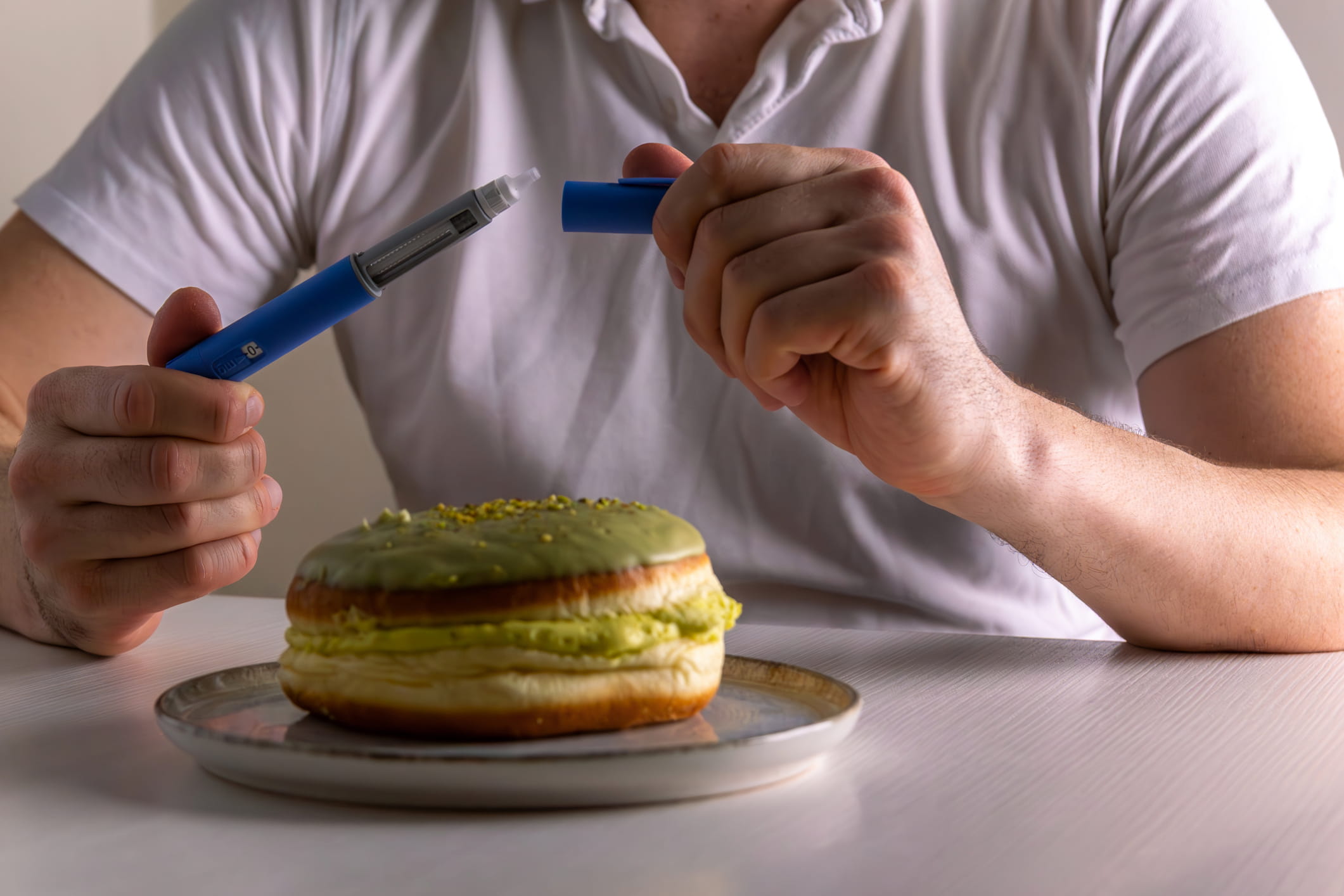
- Zepbound (tirzepatide) is a once-weekly injection for chronic weight management.
- You start at 2.5 mg and increase every 4 weeks as tolerated.
- Side effects are mostly digestive and usually ease over time.
- Results build gradually — most progress happens over months, not weeks.
What is Zepbound?
Zepbound is the brand name for tirzepatide approved for weight management. It’s the first medication to activate two gut-hormone receptors — GLP-1 and GIP — which work together to reduce appetite, help you feel full sooner, and improve how your body handles sugar and fat.
It’s prescribed for adults with a BMI of 30 or higher, or 27 or higher with at least one weight-related condition, alongside a reduced-calorie diet and increased physical activity.
Injection per week
Hormone receptors targeted
Avg. weight loss at 15 mg in SURMOUNT-1
Your dosing schedule
Zepbound starts low and increases gradually. This step-up approach gives your body time to adjust and helps limit side effects. Your provider may hold you at a dose longer if needed.
Weeks 1–4 · Starter dose to help your body adjust
Weeks 5–8 · First maintenance-level dose
Increases of 2.5 mg every 4+ weeks, if needed
Maximum dose
Maintenance doses are 5, 10, or 15 mg — your provider will choose based on your results and tolerance.
Your first injection
Zepbound is injected under the skin once a week, on the same day each week, with or without food. Most people find it quick and nearly painless.
- Where: abdomen, thigh, or back of the upper arm. Rotate sites each week.
- When: pick a day that’s easy to remember — many patients choose a weekend morning.
- Missed a dose? Take it within 4 days. If more than 4 days have passed, skip it and resume your usual day.
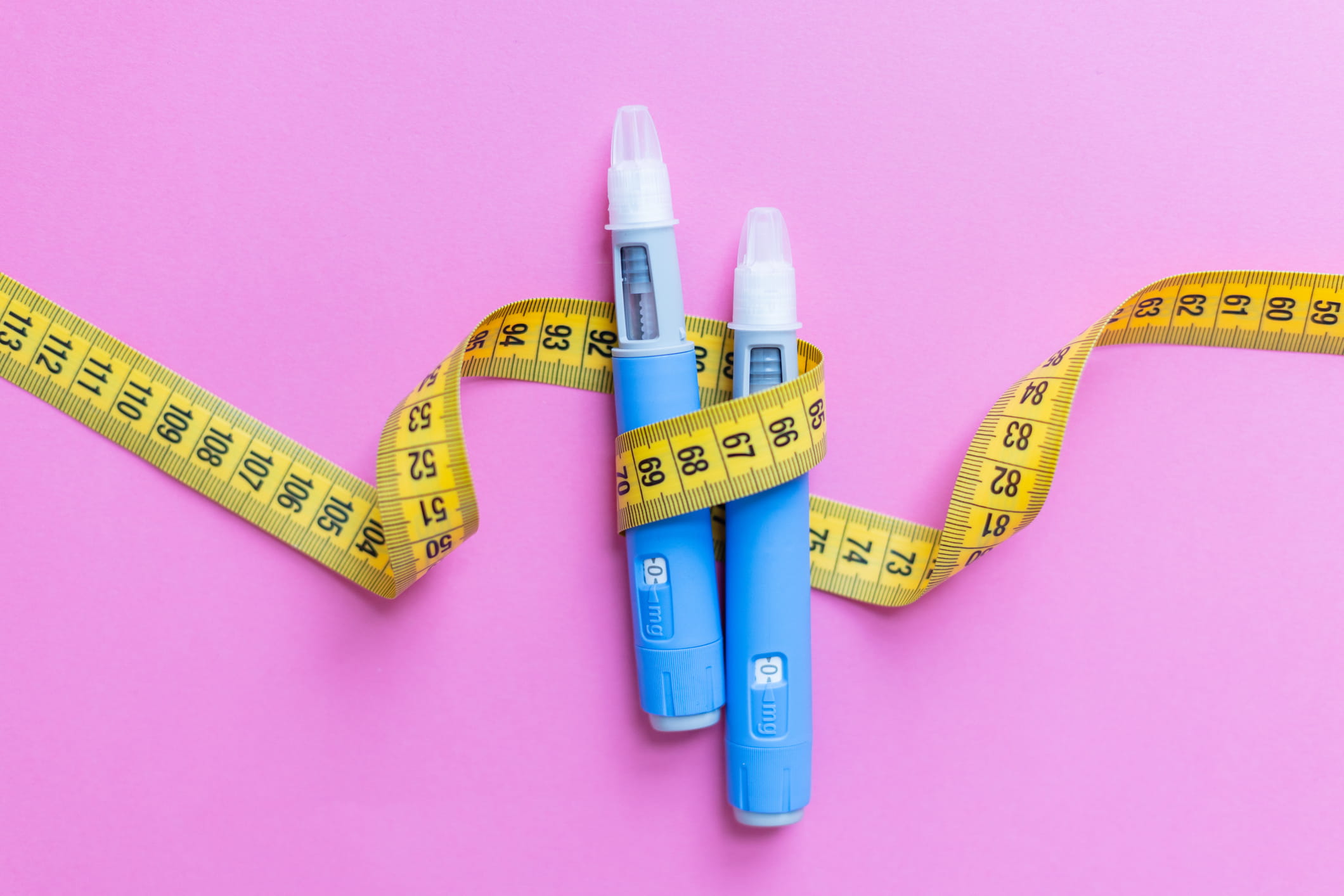
Rotate between the abdomen, thigh, and upper arm to reduce irritation.
What the first months feel like
Appetite quiets down
Many people notice smaller portions feel satisfying within the first few weeks. Mild nausea is most common now.
Steady progress
As your dose increases, weight loss becomes more noticeable and cravings ease.
Building lasting habits
You settle into a maintenance dose. Focus shifts to nutrition, strength, and keeping results.
Managing side effects
The most common side effects are digestive and tend to be strongest after a dose increase:
Nausea
Diarrhea or constipation
Indigestion or bloating
Injection-site reactions
Tips that help: eat slowly and stop when you feel full, choose smaller, lower-fat meals, sip water throughout the day, and avoid lying down right after eating.
“Slow and steady wins here — the gradual dose increase is what makes Zepbound comfortable to stay on.”
Important safety notes
- Not for people with a personal or family history of medullary thyroid cancer or MEN2.
- Not recommended during pregnancy. Tell your provider if you’re planning to conceive.
- Zepbound may make oral birth control less effective — use a backup method for 4 weeks after starting and after each dose increase.
- Seek care for severe stomach pain, which may signal pancreatitis or gallbladder problems.
How to get the most from your program
- Eat enough protein to protect muscle while you lose weight.
- Add strength training two or more days a week.
- Track how you feel, not just the scale — energy, sleep, and clothing fit all count.
- Stay in touch with your provider about side effects and dose changes.
Start your Zepbound program
Take a free assessment to see if you qualify. A licensed provider will review your answers.
Zepbound® is a registered trademark of Eli Lilly and Company. This article is for educational purposes and is not a substitute for medical advice. Consultation required; not all patients are eligible.