
Glutathione: What the “Master Antioxidant” Does — and What the Science Says
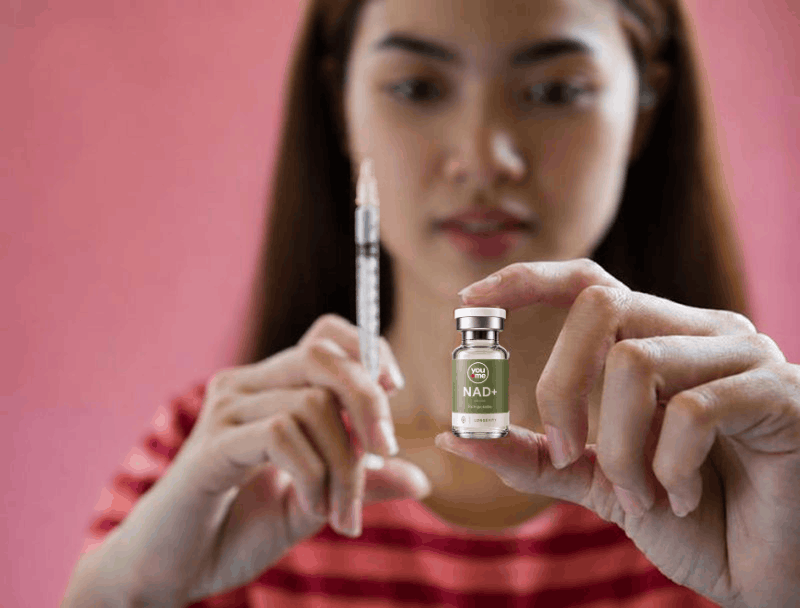
Glutathione is a small molecule your body makes in nearly every cell. It helps neutralize free radicals, supports the liver’s detox pathways, and keeps your immune system working. It’s become one of the most talked-about longevity treatments — here’s what it does and what we actually know.
- Glutathione is your body’s main built-in antioxidant.
- Levels can drop with age, chronic illness, and oxidative stress.
- It’s available as injections, IV, and oral or liposomal supplements.
- Research is promising but still early — talk to a provider before starting.
What is glutathione?
Glutathione is a tripeptide made from three amino acids: glutamate, cysteine, and glycine. Your liver produces most of it, and it’s found in especially high concentrations there. Its main job is to protect cells from oxidative damage — the wear and tear caused by free radicals from metabolism, pollution, alcohol, and stress.
Once glutathione neutralizes a free radical, the body can recycle it and use it again. It also helps regenerate other antioxidants like vitamins C and E.
Why levels matter as you age
Studies have found that glutathione levels tend to be lower in older adults and in people with conditions such as type 2 diabetes. Lower levels are associated with higher oxidative stress, which plays a role in many age-related changes. In one small study, older adults who took glycine and cysteine — two glutathione building blocks — restored their levels to those seen in younger people.
Amino acids it’s built from
Where most is produced
Reused after neutralizing free radicals
Potential benefits
Research into glutathione supplementation is ongoing. Areas being studied include:
- Oxidative stress. Supporting the body’s defense against cell damage.
- Liver health. Supporting normal detoxification and liver function.
- Immune function. Glutathione helps immune cells work properly.
- Energy and recovery. Some people report feeling less fatigued, though this is mostly anecdotal.
- Skin. Some studies have looked at effects on skin tone and elasticity.
“Glutathione works best as part of a bigger plan — not as a shortcut around sleep, nutrition, and exercise.”
Injection, IV, or oral?
How you take glutathione affects how much reaches your bloodstream.
Injections & IV
Bypass the digestive system for direct delivery. Given under provider supervision.
Liposomal (oral)
Wrapped in fat-based particles to help it survive digestion. A convenient at-home option.
Standard oral & precursors
Absorption has been debated, though one 6-month trial found daily oral glutathione raised the body’s stores. Precursors like NAC and glycine help your body make its own.
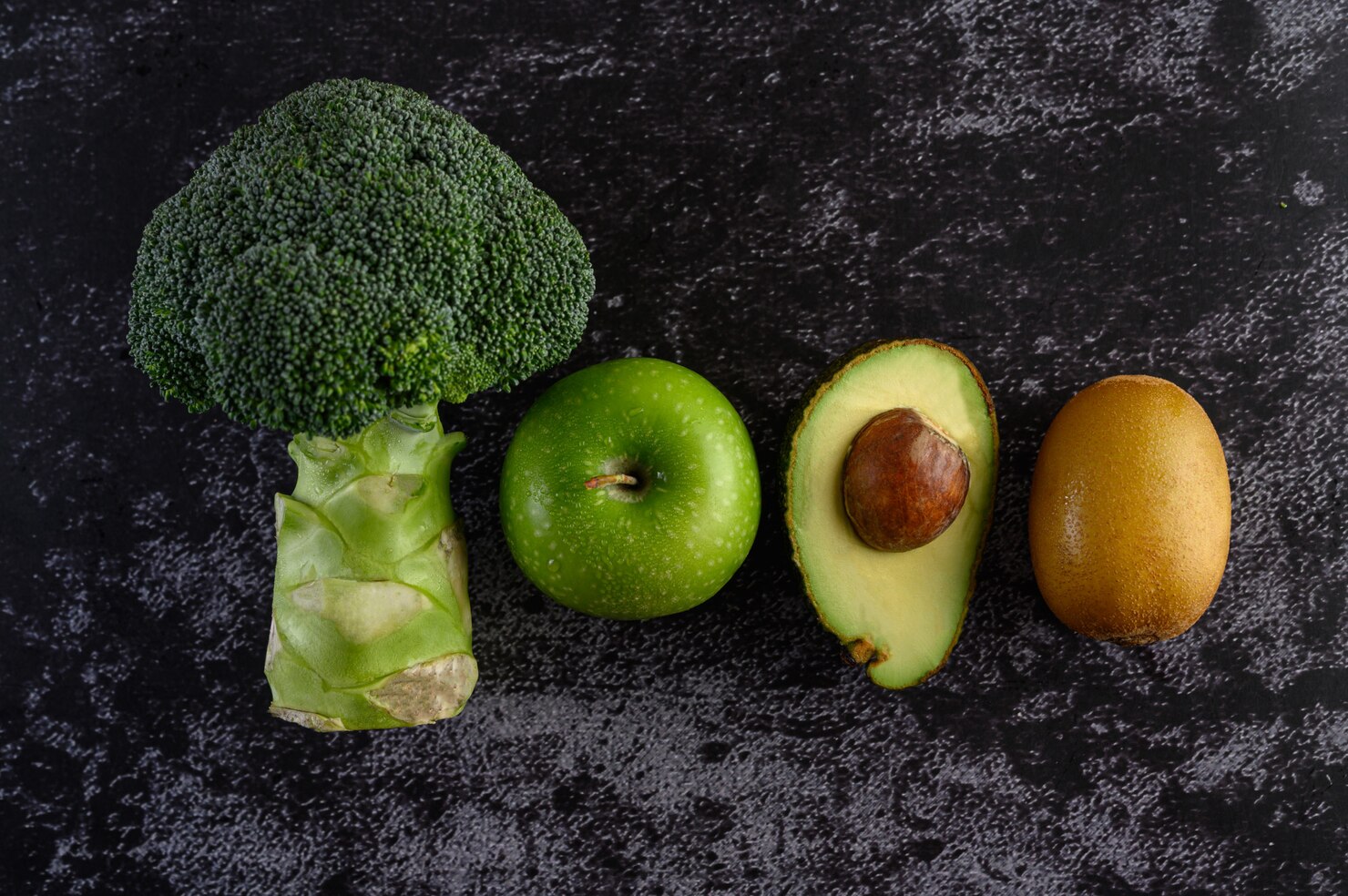
Sulfur-rich foods like broccoli, garlic, and onions support your body’s own glutathione production.
Safety and side effects
Glutathione is generally well tolerated. Possible side effects include bloating or cramping with oral forms, and soreness or redness at the injection site. Some people with asthma may experience breathing symptoms with inhaled forms. It isn’t recommended during pregnancy or breastfeeding without medical guidance, and it may interact with certain medications — including some chemotherapy treatments.
Is glutathione right for you?
A provider can review your health history, medications, and goals to decide whether glutathione makes sense — and which form and dose fit you best. It works best alongside the foundations of healthy aging: regular exercise, quality sleep, and a nutrient-dense diet.
Explore glutathione therapy
See if you qualify with a quick online assessment.
References
- Sekhar RV, et al. Deficient synthesis of glutathione underlies oxidative stress in aging and can be corrected by dietary cysteine and glycine supplementation. Am J Clin Nutr. 2011;94(3):847–853.
- Richie JP Jr, et al. Randomized controlled trial of oral glutathione supplementation on body stores of glutathione. Eur J Nutr. 2015;54(2):251–263.
This article is for educational purposes and is not a substitute for medical advice.